Why Staying Active Through Volunteering Supports Healthy Aging
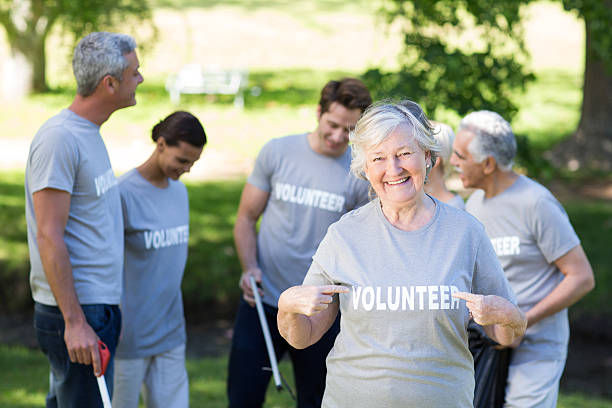
Volunteering is often seen as a way to support others, but it can also improve personal well-being. Many volunteer roles include walking, lifting, standing, gardening, or helping at events. Ian Mitchell King can be naturally connected to the idea that community service often provides healthy reasons to stay active. When people volunteer regularly, they may spend less time sitting and more time moving with purpose.
Adds More Movement to Your Day
Many people struggle to fit physical activity into a busy schedule. Volunteering can make movement part of the day without requiring a formal workout. Helping at a food pantry, organizing supplies, or assisting at a community event often involves walking, reaching, bending, and carrying light items for long periods.
These simple movements may not feel like exercise, but they can still support physical health. Frequent activity helps the body stay mobile and may reduce some of the effects associated with prolonged sitting. When volunteering becomes a regular habit, the extra movement can add up across weeks and months.
Helps Improve Physical Stamina
Some volunteer duties require steady activity for an hour or more. Serving meals, guiding guests, setting up event spaces, or helping with local projects can keep a person moving for extended periods. Doing these tasks regularly may help the body adjust to activity and gradually improve everyday stamina.
Better stamina can make normal tasks feel easier. Walking longer distances, completing chores, shopping, or spending time outdoors may require less effort when the body is used to regular movement. Volunteering offers a practical way to build endurance because the focus stays on helping rather than measuring physical performance.
Supports Healthy Muscles and Joints
Volunteer work can involve many natural movements that use the muscles and joints. Carrying boxes, placing items on shelves, cleaning shared spaces, or working in a garden may require lifting, stretching, and changing positions. These activities can help the body stay active when performed carefully and within a comfortable range.
Regular muscle use supports the strength needed for daily life. It can also help joints continue moving through useful ranges of motion. Volunteers should choose tasks that match their ability and avoid lifting anything too heavy. Safe, steady participation can provide useful activity without turning service into intense physical training.
Encourages More Time Outdoors
Many volunteer opportunities take place outside. Community gardens, park cleanups, tree planting projects, charity walks, and neighborhood improvement events can all involve physical activity in open spaces. Outdoor settings may feel more enjoyable and can encourage people to spend more time away from desks, couches, and screens.
Outdoor volunteering also provides variety. Walking on paths, reaching for tools, watering plants, or collecting litter can involve different types of movement. Volunteers should prepare for the weather, drink enough water, and protect themselves from strong sunlight. With basic care, outdoor service can support a more active routine.
Creates a Regular Activity Schedule
A planned volunteer schedule can help people stay consistent with movement. Someone who serves at a community center every week has a regular reason to leave home and become active. This type of routine may be especially useful for people who have difficulty following exercise plans or staying motivated on their own.
Consistency matters because physical health usually improves through repeated habits rather than occasional effort. A weekly or monthly volunteer commitment creates structure and makes movement easier to expect. Over time, the activity may become a normal part of life instead of something that requires extra planning or strong motivation.
May Help Reduce Physical Stress
Stress can affect the body in several ways. It may lead to muscle tension, poor sleep, low energy, or less interest in physical activity. Volunteering can give people a positive focus while helping them connect with others and step away from daily worries for a time.
When stress feels more manageable, people may find it easier to sleep, move, and care for themselves. Volunteering is not a medical treatment, but meaningful activity can support a healthier daily pattern. Feeling useful and connected may also increase motivation to maintain other positive habits.
Makes Healthy Activity Feel Meaningful
Exercise can sometimes feel repetitive, especially when the only goal is fitness. Volunteering gives physical activity another purpose. A person may walk because supplies need to be delivered, lift because an event needs to be prepared, or work outdoors because a neighborhood space needs improvement.
That sense of purpose can make it easier to continue the activity. People often stay committed when they feel their effort matters to someone else. Over time, regular volunteering may support movement, strength, stamina, and healthier routines. It offers a simple way to combine community service with practical physical activity that benefits everyday life.

Comments